Flowcen Your Trusted Manufacturer for High-Performance Industrial Valves Information More

Blog List

Image

Dual Plate Check Valve

Dual plate check valve: working, body types, installation, materials and selection explained.

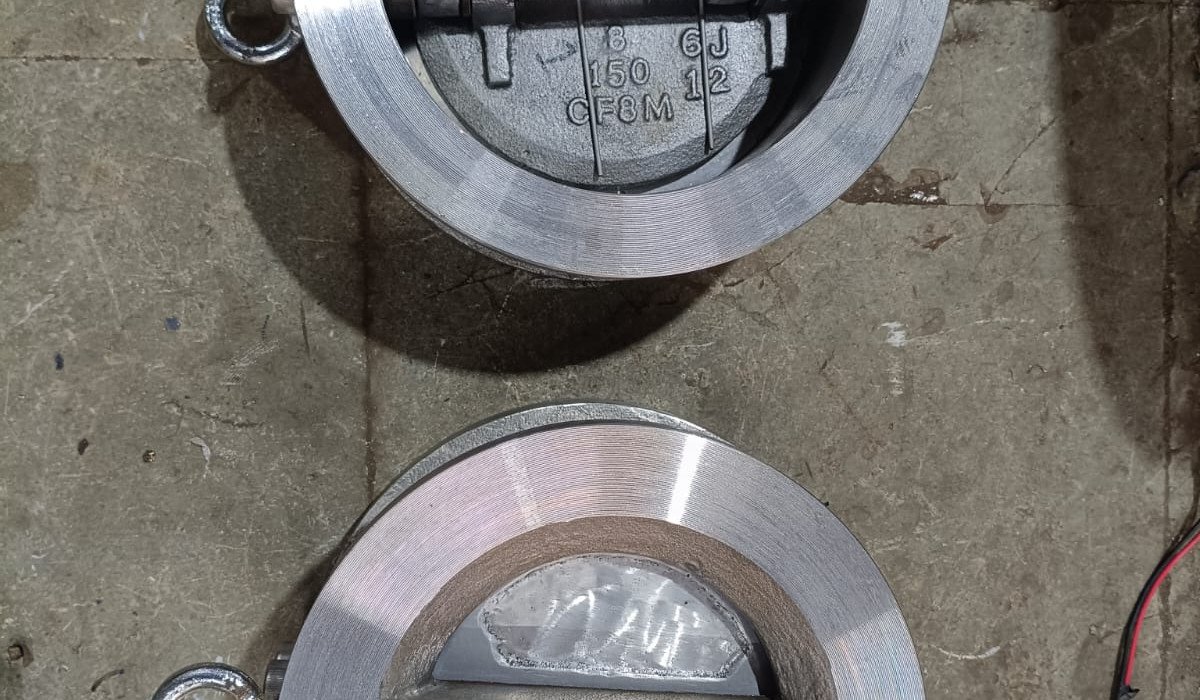
A dual plate check valve is a compact, non-slam check valve that stops reverse flow using two spring-loaded half plates. It is much shorter and lighter than a swing check valve of the same size, closes faster, and is widely used on pump discharge, cooling water, firewater, oil and gas, and process pipelines. This guide explains how it works, the different body types, the available options, and what to consider when selecting one.

Also Known As

The same valve is called by different names in different countries and industries. Common names include double door check valve, dual disc check valve, double disc check valve, split disc check valve, twin plate check valve, double flap check valve, butterfly check valve, wafer check valve, wafer type dual plate check valve, dual plate non-return valve (NRV), double door NRV and spring-loaded dual plate check valve.

In other languages it is known as Doppelplatten-Rückschlagklappe (German), clapet anti-retour à double battant (French), válvula de retención de doble placa (Spanish), válvula de retenção de dupla portinhola (Portuguese) and затвор обратный двухстворчатый (Russian). All of these refer to the same design covered in this guide.

How a Dual Plate Check Valve Works

The valve has two semicircular plates mounted on a central hinge pin, with a torsion spring holding them against the seat. When flow starts in the correct direction, the flow pressure overcomes the spring and the two plates fold open towards each other, like a pair of doors. When the flow slows down, the spring starts closing the plates before the flow actually reverses.

Because the spring closes the plates early and the plates travel only a short distance, the valve shuts quickly and quietly. This is why dual plate check valves are known as non-slam check valves, and why they are preferred where water hammer and slam must be avoided.

Dual Plate vs Swing Check Valve

A dual plate check valve is much shorter and lighter than a swing check valve, which saves space, reduces pipe support load and makes installation easier, especially in large sizes. It closes faster and with less slam, and it can be installed in horizontal lines and in vertical lines with upward flow.

A swing check valve has a lower pressure drop and an unobstructed bore when fully open, which makes it better for lines that are pigged and for fluids carrying heavy solids. For most clean liquid and gas services, the dual plate design is the more economical and compact choice.

Body Types

The wafer type is the most compact and economical design. It is fitted between two pipe flanges and held in place by the flange bolts. Centering lugs or holes on the body help align it correctly between the flanges.

The lug type has threaded or drilled lugs around the body, matching the flange bolt holes. It allows the downstream pipe to be removed while the valve stays in place, and is used for end-of-line service and easier maintenance.

The double flanged type has full flanges on both ends, like a conventional valve. It is used for large sizes, higher pressure classes and where the project specification calls for a flanged valve.

Retainer and Retainerless Design

In the retainer design, the hinge pin and stop pin are held in place by plugs fitted through holes in the body. It is simple and economical, and suits most general services.

In the retainerless design, the pins are held internally without any holes through the body wall. This removes a possible leak path to the outside, which makes it the preferred choice for hydrocarbon, toxic, high-pressure and critical services.

Installation Points

A dual plate check valve can be installed in horizontal lines and in vertical lines with upward flow. For horizontal lines, it is good practice to install the valve with the hinge pin vertical, so both plates open and close evenly. Vertical downward flow installation needs a special spring design and should be specified at the enquiry stage.

Always check the flow arrow on the body before installation. Where possible, keep a straight pipe length of about five times the pipe diameter before the valve, and avoid fitting it directly after a pump outlet, elbow or reducer, as disturbed flow makes the plates flutter and wears the hinge.

For wafer type valves, check that the pipe and flange bore is large enough for the plates to open fully. With thick-wall or lined pipe, the plates may touch the pipe wall, so the bore should be confirmed before ordering.

Seat, Plate and Spring Options

Metal seated: The seat is machined in the body or hardfaced with Stellite or 13% chrome. It is used for high temperature, high pressure and hydrocarbon service.

Resilient seated: A rubber seat in NBR, EPDM or Viton gives tight shut-off at low back pressure and is used for water, seawater, firewater and general utility service.

Springs: Springs are normally SS316. For high temperature, corrosive or sour service, Inconel X-750, Inconel 718 or Hastelloy springs are used. Special low-cracking-pressure or heavy-duty springs can be designed for the actual flow conditions.

Other Options

Depending on the service, dual plate check valves can be supplied with lifting eye bolts for large sizes, drain plugs, hardfaced plates and seats, rubber lined or coated bodies for seawater, cryogenic construction for low temperature service, oxygen service cleaning, and special painting or coating for offshore and coastal sites as per project specification.

Materials

Common body materials include WCB (cast) and A105 (forged) carbon steel for general service, LCB / LCC for low temperature, WC6 / WC9 for high temperature, and CF8 / CF8M stainless steel for corrosive fluids. Cast iron and ductile iron bodies with resilient seats are widely used for water lines.

For seawater, firewater and offshore service, nickel aluminium bronze (C95800) is widely specified, as it resists seawater corrosion and erosion far better than carbon steel. Duplex and super duplex steels are also used for seawater and high-chloride service where higher strength is needed.

For highly corrosive chemicals, acids and sour service, exotic alloys such as Monel, Inconel, Hastelloy, Alloy 20, 254 SMO and titanium are available. These are selected based on the exact fluid, concentration and temperature, so please share full process details for such enquiries.

International Standards and Material Grades

Different markets follow different valve standards, and a project specification will often call for materials under its own national designation. Along with ASME and API standards, we manufacture dual plate check valves to European EN / DIN standards, Japanese JIS standards and Russian GOST standards.

For projects in Russia, Kazakhstan, Uzbekistan and other CIS countries, dual plate check valves can be supplied to GOST flange and testing requirements, in GOST material grades such as 20L, 25L, 20GL, 09G2S and 12Kh18N10T. Where a project specification lists only GOST grades, we supply the specified grade or a matching ASTM or EN equivalent with approval.

Technical Specification

Parameter Range Available
Body Type Wafer, lug, double flanged
Design Retainer type, retainerless type
Size Range 2" to 48" (DN50 to DN1200), larger sizes on request
Pressure Rating ASME Class 150, 300, 600, 900, 1500, 2500
PN10 to PN160 (EN / DIN / GOST)
JIS 10K, 20K, 30K, 40K
Body MOC (Carbon & Alloy Steel) Cast: WCB, WCC, LCB, LCC, WC6, WC9, C5, C12
Forged: A105, LF2, LF3, F11, F22, F5, F9
Body MOC (Stainless Steel) Cast: CF8, CF8M, CF3, CF3M, CF8C, CN7M (Alloy 20)
Forged: F304, F304L, F316, F316L, F321, F347
Body MOC (Duplex & Super Duplex) Cast: 4A (CD3MN), 5A (CE3MN), 6A (CD3MWCuN)
Forged: F51, F53, F55
Body MOC (Bronze) Nickel aluminium bronze C95800, aluminium bronze C95400 / C95500, gunmetal / bronze (LG2, C83600)
Body MOC (Exotic Alloys) Monel (M35-1 / Alloy 400), Inconel 625 (CW6MC / F625), Inconel 825, Hastelloy C276 / C22 (CW12MW / CX2MW), 254 SMO (CK3MCuN / F44), 904L, Titanium Grade 2 / Grade 12
Body MOC (Iron) Cast iron (IS 210 FG 260 / A126 Cl. B), ductile iron (A536 / EN-GJS-400-15)
Body MOC (GOST / Russian) Cast: 20L, 25L, 20GL, 20KhML, 20KhMFL, 15Kh5ML, 12Kh18N9TL, 12Kh18N12M3TL
Forged: Steel 20, 09G2S, 15KhM, 12Kh18N10T, 10Kh17N13M2T
Body MOC (EN / DIN) Cast: 1.0619 (GP240GH), 1.6220 (G20Mn5), 1.7357 (G17CrMo5-5), 1.4308, 1.4408, 1.4409
Forged: 1.0460 (P250GH), 1.4301, 1.4404, 1.4571
Body MOC (JIS) Cast: SCPH2, SCPL1, SCPH21, SCS13, SCS14, SCS16
Forged: S25C, SUSF304, SUSF316
Plate MOC CF8, CF8M, CF3M, duplex, super duplex, aluminium bronze, Monel, or to match body
Seat Metal seated (integral / Stellite / 13% Cr), resilient seated (NBR, EPDM, Viton)
Spring SS316, Inconel X-750, Inconel 718, Hastelloy
Hinge & Stop Pin SS316, 17-4 PH, Monel, Inconel, or as per service
End Connection Wafer / lug / flanged to suit ASME B16.5, ASME B16.47, EN 1092-1, GOST 33259, JIS B2220 flanges (RF / FF / RTJ)
Installation Horizontal line (hinge pin vertical), vertical line with upward flow; vertical downward flow with special spring on request
Special Construction Rubber lined / coated body, cryogenic construction, hardfaced plates and seats, oxygen service cleaning, lifting eye bolts, drain plug
Design Standard (ASME / API) API 594, ASME B16.34
Design Standard (EN / DIN) EN 16767, EN 12516
Design Standard (GOST) GOST 12.2.063, GOST 33259 (flanges)
Design Standard (JIS) JIS B2071
Face to Face API 594, EN 558 or manufacturer standard
Pressure Testing API 598, ISO 5208, EN 12266-1, GOST 33257, GOST 9544 (shell and seat test)
Additional Tests (on request) PMI, radiography (RT), ultrasonic (UT), dye penetrant (DPT), magnetic particle (MPT), IGC test, hardness test, impact test, cryogenic test
Painting Standard enamel, epoxy, zinc-rich primer with epoxy and PU finish, or as per project painting specification
Certification EN 10204 3.1 / 3.2, NACE MR0175 / ISO 15156, third-party inspection (TÜV, BV, SGS, Lloyd's, DNV)

Selecting the Right Dual Plate Check Valve

To recommend the correct valve, we need the size, pressure class, line fluid, flow rate and operating temperature, and whether the line is horizontal or vertical. Please also mention the body type (wafer, lug or flanged), retainer or retainerless design, seat type, the applicable standard (ASME, API, EN, GOST or JIS) and any special requirements such as NACE material, painting specification or third-party inspection.

Global Supply

FLOWCEN GLOBAL supplies dual plate check valves to customers across India and to export markets in the Middle East, including Saudi Arabia, UAE, Oman and Jordan; Southeast Asia, including Vietnam, Thailand and Indonesia; Africa, including Nigeria, Zambia and Algeria; Russia and the CIS countries; as well as South America.

For export orders, we provide seaworthy wooden packing, complete export documentation, third-party inspection by agencies such as TÜV, BV, SGS and Lloyd's on request, and dispatch on EXW, FOB or CIF terms by sea or air.

Frequently Asked Questions

Is a dual plate check valve the same as a double door check valve?
Yes. Dual plate check valve, double door check valve, dual disc check valve, split disc check valve and wafer check valve are all names for the same design with two spring-loaded half plates.

Why is a dual plate check valve called non-slam?
The springs start closing the plates as soon as the flow slows down, before it reverses. The plates close quickly over a short distance, so there is very little slam or water hammer.

What is a retainerless dual plate check valve?
In a retainerless valve, the hinge and stop pins are held internally without any holes through the body. This removes a possible external leak path and is preferred for hydrocarbon, toxic and critical service.

Can a dual plate check valve be installed vertically?
Yes, in vertical lines with upward flow. Vertical downward flow needs a special spring design, which should be specified in the enquiry.

Which standard applies to dual plate check valves?
API 594 is the main design standard, with testing generally to API 598. In Europe, EN 16767 is used, and for Russia and CIS countries, GOST flange and testing standards apply.

Which material is best for seawater dual plate check valves?
Nickel aluminium bronze (C95800) is the most common choice for seawater and firewater lines. Duplex and super duplex steels are used where higher pressure or strength is required.

Do you supply dual plate check valves outside India?
Yes. We regularly supply to the Middle East, Southeast Asia and Africa, with export packing, documentation and third-party inspection as required.

Dual Plate Check Valve Manufacturer and Exporter in India

FLOWCEN GLOBAL, Navsari, Gujarat, manufactures and exports dual plate check valves in wafer, lug and double flanged designs, retainer and retainerless types, to API, ASME, EN, GOST and JIS standards, in carbon steel, stainless steel, duplex, aluminium bronze and exotic alloys, for oil and gas, marine, water, power and process industries. Every valve is hydrotested before dispatch and supplied with material test certificates and test reports.

For a quotation or technical support, contact us at sales@flowcen.com or call +91 73834 33426.
Globe Valve Guide

Globe valve: working, patterns, disc types, materials and selection explained.

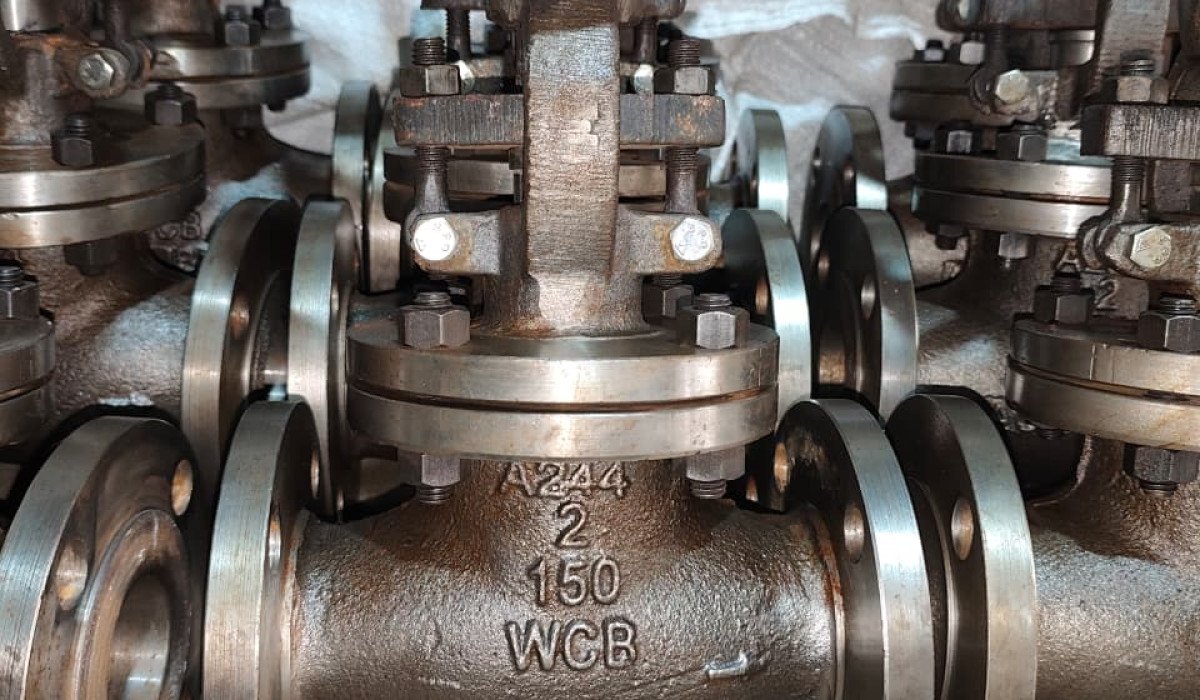
A globe valve is used where flow has to be regulated, not just opened and closed. Unlike a gate valve, it can be kept partly open for long periods without damage, which makes it the standard choice for throttling service in steam, water, oil, gas and process lines. This guide explains how a globe valve works, the different patterns and disc types, the available options, and what to consider when selecting one.

Also Known As

The globe valve is called by different names in different countries and industries. Common names include globe stop valve, stop valve, screw-down stop valve, throttle valve, throttling valve, regulating valve, T-pattern globe valve, Z-type globe valve, Y-type globe valve, oblique globe valve, angle globe valve, angle valve and bellows sealed globe valve. Small globe valves with a fine tapered disc are often called needle valves.

In other languages it is known as Absperrventil or Durchgangsventil (German), robinet à soupape (French), válvula de globo (Spanish), válvula globo (Portuguese) and клапан запорный or вентиль (Russian). All of these refer to the same design covered in this guide.

How a Globe Valve Works

In a globe valve, the disc moves up and down at right angles to the seat. The flow passes through the seat opening, and the gap between the disc and the seat decides how much fluid passes. Turning the handwheel lifts or lowers the disc, so the flow can be adjusted gradually from fully closed to fully open.

Because the disc travel is short and the disc closes directly onto the seat, a globe valve gives good shut-off and quick, accurate control. The seat and disc are also easy to lap or replace during maintenance without removing the valve from the line.

The flow inside a globe valve changes direction, so the pressure drop is higher than in a gate or ball valve. This is the price paid for good control, and it is the main reason globe valves are not used for plain isolation in large lines.

Globe Valve vs Gate Valve

A gate valve is designed for full open or full closed isolation, with a straight-through bore and very low pressure drop. It should not be kept partly open, as the wedge and seats get eroded.

A globe valve is designed to regulate flow and can safely be kept partly open. It also gives tighter shut-off and faster operation because of its short disc travel, but the pressure drop is higher. Globe valves are therefore used for throttling, bypass, drain and control duties, while gate valves are used for main line isolation.

Body Patterns and Types

The standard or Z-pattern (T-pattern) globe valve has a Z-shaped partition inside the body. It is the most common design, gives good throttling, and is used for general service.

The Y-pattern globe valve has the stem and seat set at an angle to the pipe. The flow path is straighter, so the pressure drop is much lower than in a Z-pattern. It is preferred for high-pressure steam, boiler blowdown and erosive services.

The angle pattern globe valve turns the flow through 90 degrees. It works as a valve and an elbow together, saving one fitting and reducing pipe joints. It is useful at pump discharge, tank outlets and where pulsating flow is present.

The stop check globe valve, also called a screw-down non-return valve, has a disc that is not fixed to the stem. With the stem raised, the valve works as a check valve and closes on reverse flow. With the stem screwed down, it works as a normal stop valve. It is commonly used on boiler outlets and pump discharge lines where both functions are needed in one valve.

Disc Types

Plug disc: Long and tapered, with a wide seating area. It handles erosion well and gives fine throttling, so it is used in severe service.

Flat or conventional disc: Simple design that suits general on/off and moderate throttling.

Needle or parabolic disc: Used where very fine flow control is required, such as in small bypass, sampling and instrument lines.

Soft seated disc: A PTFE or PEEK insert in the disc gives bubble-tight shut-off for clean liquids and gases at moderate temperature.

Bonnet Options

The bolted bonnet is standard for most pressure classes. Pressure seal bonnets are used for high-pressure steam and Class 1500 and above, and welded bonnets are used on small forged valves where a leak-free body joint is required. For toxic, hazardous or thermal oil service, a bellows seal globe valve is recommended, as the metal bellows prevents leakage through the stem packing. For cryogenic and very low temperature service, an extended bonnet keeps the packing away from the cold zone so it does not freeze.

Installation Points

Globe valves are directional, so always check the flow arrow on the body before installation. In most designs the flow enters under the disc, so the packing is not under line pressure when the valve is closed. In some large high-pressure valves, flow over the disc is used to help the valve close tightly, and the arrow on the body will show this.

Globe valves can be installed in horizontal or vertical lines. For easy operation and maintenance, keep the stem vertical or at least above the horizontal wherever possible, and leave enough height above the valve to remove the bonnet and disc.

Bypass and Other Options

Bypass valve: In large size and high pressure globe valves, the pressure difference across the disc makes the valve very hard to open. A small bypass valve fitted on the body lets the pressure equalise on both sides first, so the main valve opens easily. In steam lines, the bypass is also used to warm up the downstream line slowly before full opening, which prevents thermal shock and water hammer. Bypass and drain connections are provided as per ASME B16.34 and MSS SP-45.

Drain and vent connections: Tapped or socket weld drain and vent connections can be provided on the body for draining the valve before maintenance and for removing trapped air or condensate.

Steam jacketed globe valve: For fluids that solidify or become very thick when cool, such as sulphur, bitumen, heavy fuel oil and molten chemicals, the body can be supplied with a steam or thermal oil jacket to keep the fluid at working temperature.

Packing and emission control: Standard packing is graphite. PTFE packing, double packing with lantern ring and leak-off connection, and low emission packing tested to ISO 15848-1 are available for hazardous and environmentally sensitive service.

Operation accessories: Depending on the site, valves can be supplied with locking device, position indicator, limit switches, stem extension for buried or remote operation, impactor handwheel for high torque, and chain wheel for overhead valves. Gear operators and electric or pneumatic actuators are available for larger sizes and automation.

Special service: Oxygen service cleaning, fire tested design, inconel or stellite weld overlay on wetted surfaces, and special painting or coating for offshore and coastal sites can be provided as per project specification. Large valves are supplied with lifting lugs for safe handling.

Materials and Trim

Common body materials include WCB (cast) and A105 (forged) carbon steel for general service, LCB / LCC for low temperature, WC6 / WC9 for high temperature steam, and CF8 / CF8M stainless steel for corrosive fluids. Cast iron and ductile iron are used for water lines.

For seawater, firewater and offshore service, nickel aluminium bronze (C95800) is widely specified, as it resists seawater corrosion and erosion far better than carbon steel. Duplex and super duplex steels are also used for seawater and high-chloride service where higher strength is needed.

For highly corrosive chemicals, acids and sour service, exotic alloys such as Monel, Inconel, Hastelloy, Alloy 20, 254 SMO and titanium are available. These are selected based on the exact fluid, concentration and temperature, so please share full process details for such enquiries.

Since a globe valve is often used for throttling, the trim takes more wear than in an isolation valve. 13% chrome (API Trim 1) suits general service, while Stellite hardfaced disc and seat (API Trim 5 or Trim 8) are recommended for steam, high pressure drop and erosive conditions. SS316 trim is used for corrosive media.

International Standards and Material Grades

Different markets follow different valve standards, and a project specification will often call for materials under its own national designation. Along with ASME, API and BS standards, we manufacture globe valves to European EN / DIN standards, Japanese JIS standards and Russian GOST standards.

For projects in Russia, Kazakhstan, Uzbekistan and other CIS countries, globe valves can be supplied to GOST design, face-to-face, flange and testing requirements, in GOST material grades such as 20L, 25L, 20GL, 09G2S and 12Kh18N10T. Where a project specification lists only GOST grades, we supply the specified grade or a matching ASTM or EN equivalent with approval.

Technical Specification

Parameter Range Available
Body Pattern / Type Standard (Z / T pattern), Y-pattern, angle pattern, stop check (screw-down non-return)
Disc Type Plug disc, flat / conventional disc, needle / parabolic disc, soft seated disc (PTFE / PEEK insert)
Size Range Forged: ½" to 2" (DN15 to DN50)
Cast: 2" to 24" (DN50 to DN600)
Pressure Rating ASME Class 150, 300, 600, 900, 1500, 2500
PN10 to PN250 (EN / DIN / GOST)
JIS 10K, 20K, 30K, 40K, 63K
800# and 1500# for forged valves
Body MOC (Carbon & Alloy Steel) Cast: WCB, WCC, LCB, LCC, WC6, WC9, C5, C12
Forged: A105, LF2, LF3, F11, F22, F5, F9
Body MOC (Stainless Steel) Cast: CF8, CF8M, CF3, CF3M, CF8C, CN7M (Alloy 20)
Forged: F304, F304L, F316, F316L, F321, F347
Body MOC (Duplex & Super Duplex) Cast: 4A (CD3MN), 5A (CE3MN), 6A (CD3MWCuN)
Forged: F51, F53, F55
Body MOC (Bronze) Nickel aluminium bronze C95800, aluminium bronze C95400 / C95500, gunmetal / bronze (LG2, C83600)
Body MOC (Exotic Alloys) Monel (M35-1 / Alloy 400), Inconel 625 (CW6MC / F625), Inconel 825, Hastelloy C276 / C22 (CW12MW / CX2MW), 254 SMO (CK3MCuN / F44), 904L, Titanium Grade 2 / Grade 12
Body MOC (Iron) Cast iron (IS 210 FG 260 / A126 Cl. B), ductile iron (A536 / EN-GJS-400-15)
Body MOC (GOST / Russian) Cast: 20L, 25L, 20GL, 20KhML, 20KhMFL, 15Kh5ML, 12Kh18N9TL, 12Kh18N12M3TL
Forged: Steel 20, 09G2S, 15KhM, 12Kh18N10T, 10Kh17N13M2T
Body MOC (EN / DIN) Cast: 1.0619 (GP240GH), 1.6220 (G20Mn5), 1.7357 (G17CrMo5-5), 1.4308, 1.4408, 1.4409
Forged: 1.0460 (P250GH), 1.4301, 1.4404, 1.4571
Body MOC (JIS) Cast: SCPH2, SCPL1, SCPH21, SCS13, SCS14, SCS16
Forged: S25C, SUSF304, SUSF316
Trim API Trim 1, 5, 8, 10, 12, 16 or as per customer requirement
Bonnet Bolted bonnet, pressure seal bonnet, welded bonnet, bellows seal bonnet, extended bonnet (cryogenic / low temperature)
Stem Rising stem, OS&Y (outside screw and yoke), with backseat
Packing Graphite, PTFE, double packing with lantern ring and leak-off connection, low emission packing (ISO 15848-1)
End Connection Flanged RF / FF / RTJ (ASME B16.5, EN 1092-1, GOST 33259, JIS B2220)
Butt weld (ASME B16.25)
Socket weld (ASME B16.11)
Screwed NPT (ASME B1.20.1)
Operation Handwheel, impactor handwheel, bevel gear operator, chain wheel, electric actuator, pneumatic actuator
Bypass & Body Connections Bypass valve (as per MSS SP-45 / ASME B16.34), drain and vent connections (NPT / socket weld / flanged)
Special Construction Steam / thermal oil jacketed body, cryogenic extended bonnet, fire tested design, inconel / stellite weld overlay, oxygen service cleaning, lifting lugs
Accessories Locking device, position indicator, limit switches, stem extension, stem protector
Design Standard (ASME / API / BS) BS 1873, API 623, API 602 (forged), ASME B16.34
Design Standard (EN / DIN) EN 13709, EN 12516, DIN 3356
Design Standard (GOST) GOST 5761, GOST 33259 (flanges)
Design Standard (JIS) JIS B2071
Face to Face ASME B16.10, EN 558, GOST 3326, JIS B2002 or manufacturer standard
Pressure Testing API 598, ISO 5208, EN 12266-1, GOST 33257, GOST 9544 (shell, seat and backseat test)
Additional Tests (on request) PMI, radiography (RT), ultrasonic (UT), dye penetrant (DPT), magnetic particle (MPT), IGC test, hardness test, impact test, low emission test, cryogenic test
Painting Standard enamel, epoxy, zinc-rich primer with epoxy and PU finish, or as per project painting specification
Certification EN 10204 3.1 / 3.2, IBR, NACE MR0175 / ISO 15156, third-party inspection (TÜV, BV, SGS, Lloyd's, DNV)

Selecting the Right Globe Valve

To recommend the correct valve, we need the size, pressure class, line fluid, flow rate and operating temperature, and whether the valve is for throttling or isolation. Please also mention the body pattern, disc type, end connection, the applicable standard (ASME, API, EN, GOST or JIS) and any special requirements such as bypass, bellows seal, steam jacket, gear operation, actuator, NACE material, painting specification or third-party inspection.

Global Supply

FLOWCEN GLOBAL supplies globe valves to customers across India and to export markets in the Middle East, including Saudi Arabia, UAE, Oman and Jordan; Southeast Asia, including Vietnam, Thailand and Indonesia; Africa, including Nigeria, Zambia and Algeria; Russia and the CIS countries; as well as South America.

For export orders, we provide seaworthy wooden packing, complete export documentation, third-party inspection by agencies such as TÜV, BV, SGS and Lloyd's on request, and dispatch on EXW, FOB or CIF terms by sea or air.

Frequently Asked Questions

Is a globe valve the same as a stop valve?
Yes. Globe valve, globe stop valve, stop valve and screw-down stop valve are names for the same design, where the disc moves at right angles to the seat to regulate or stop flow.

What is the difference between a globe valve and a gate valve?
A gate valve is designed for full open or full closed isolation with low pressure drop. A globe valve is designed to regulate flow and can be kept partly open, but it has a higher pressure drop.

What is a stop check globe valve?
It is a globe valve whose disc is not fixed to the stem. It works as a check valve when the stem is raised and as a stop valve when the stem is screwed down. It is often used on boiler outlets and pump discharge lines.

When is a bypass required on a globe valve?
A bypass is used on large size and high pressure globe valves to equalise pressure before opening, and on steam lines to warm up the downstream piping slowly. It makes opening easier and protects the line from thermal shock.

When should a Y-pattern globe valve be used?
A Y-pattern globe valve is used where lower pressure drop is needed along with throttling, such as high-pressure steam, boiler blowdown and erosive service.

What is a bellows seal globe valve?
It is a globe valve with a metal bellows around the stem that prevents leakage through the packing. It is used for toxic, hazardous and thermal oil service.

What is a steam jacketed globe valve?
It is a globe valve with an outer jacket around the body through which steam or thermal oil flows, keeping fluids such as sulphur, bitumen and heavy oil from solidifying inside the valve.

Which standards apply to globe valves?
BS 1873 and API 623 cover steel globe valves, and API 602 covers compact forged steel globe valves. In Europe, EN 13709 is used, in Russia and CIS countries GOST 5761, and in Japan JIS B2071. Testing is generally done to API 598, EN 12266-1 or GOST 33257 as specified.

Which material is best for seawater globe valves?
Nickel aluminium bronze (C95800) is the most common choice for seawater and firewater lines. Duplex and super duplex steels are used where higher pressure or strength is required.

Can you supply globe valves to GOST standards?
Yes. We supply globe valves to GOST design, flange and testing requirements, in GOST material grades such as 20L, 09G2S and 12Kh18N10T, or in approved ASTM / EN equivalents.

Do you supply globe valves outside India?
Yes. We regularly supply to the Middle East, Southeast Asia and Africa, with export packing, documentation and third-party inspection as required.

Globe Valve Manufacturer and Exporter in India

FLOWCEN GLOBAL, Navsari, Gujarat, manufactures and exports globe valves in Z-pattern, Y-pattern, angle and stop check designs, in cast and forged construction, to ASME, API, BS, EN, GOST and JIS standards, in carbon steel, stainless steel, duplex, aluminium bronze and exotic alloys, with bypass, bellows seal, steam jacket and other special options, for oil and gas, marine, water, power and process industries. Every valve is hydrotested before dispatch and supplied with material test certificates and test reports.

For a quotation or technical support, contact us at sales@flowcen.com or call +91 73834 33426.
Swing Check Valve Guide

Swing check valve: working, types, installation, materials and selection explained.

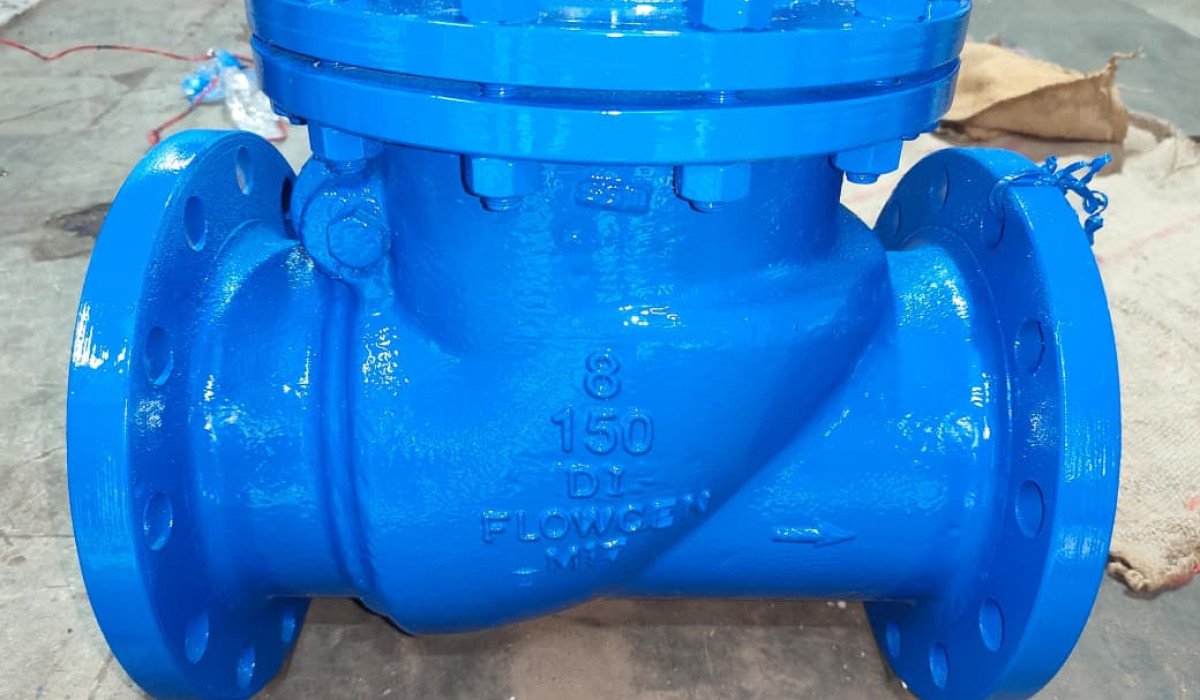
A swing check valve allows flow in one direction and stops it automatically when the flow reverses. It needs no operator or power. It is widely used on pump discharge lines, pipelines, cooling water, water supply, oil and gas, and process systems to protect pumps and equipment from backflow. This guide explains how a swing check valve works, where it should and should not be used, the available options, and what to consider when selecting one.

Also Known As

The swing check valve is called by different names in different countries and industries. Common names include swing type check valve, swing non-return valve, swing NRV, non-return valve, reflux valve, swing type reflux valve, hinged disc check valve, single door check valve, single disc check valve, clapper check valve and flapper check valve. In Indian water supply projects, it is most often called a reflux valve or NRV.

In other languages it is known as Rückschlagklappe (German), clapet de non-retour à battant (French), válvula de retención de clapeta (Spanish), válvula de retenção tipo portinhola (Portuguese) and затвор обратный поворотный (Russian). All of these refer to the same design covered in this guide.

How a Swing Check Valve Works

Inside the valve, a disc is hung from a hinge pin above the seat. When fluid flows in the correct direction, the flow pushes the disc up and it swings open, leaving an almost clear passage. When the flow stops or reverses, the disc swings back onto the seat by its own weight and the back pressure, and the valve closes.

Because the disc moves fully out of the flow path when open, the pressure drop across a swing check valve is low compared with lift or piston check valves. This makes it a good choice for larger lines and steady flow.

Swing Check vs Dual Plate Check Valve

A swing check valve has a single hinged disc, a near full bore when open and a low pressure drop. It handles fluids with some solids better and, in full bore design, can be used in pigged pipelines.

A dual plate check valve is much shorter and lighter, and its spring-loaded plates close faster with less slam. It is preferred where space is limited or where water hammer is a concern. For steady flow, low pressure drop and heavy-duty service, the swing check valve remains the standard choice.

Where Swing Check Valves Work Best

Swing check valves perform well in lines with steady, continuous flow, such as centrifugal pump discharge, pipeline and transfer lines, water supply mains, cooling water and general process service.

They are not recommended for pulsating flow, such as after reciprocating pumps or compressors. In such service the disc keeps flapping against the seat and the hinge pin and seat wear out quickly. A piston check valve or dual plate check valve is better suited there.

In systems where flow reverses quickly, such as long pumping mains, a standard swing check valve can close with a heavy slam and cause water hammer. In these cases a swing check valve with an external lever and counterweight, with or without a damper, gives a controlled closing and reduces the shock.

Types of Swing Check Valve

Bolted cover swing check: The most common design, suitable for most general services.

Pressure seal swing check: Used for high-pressure steam and Class 1500 and above, where the internal pressure itself tightens the cover seal.

Tilting disc check: The hinge pin is set closer to the centre of the disc. The disc travels a shorter distance and closes faster, which reduces slam and gives a lower pressure drop than a standard swing check.

Full bore piggable swing check: For pipelines cleaned or inspected with pigs, as per API 6D, with a bore matching the pipe and a disc that swings fully clear of the flow path.

Waterworks swing check (reflux valve): Cast iron or ductile iron body with resilient or gunmetal seat, as per IS 5312 or AWWA C508, for water supply, irrigation and sewage pumping.

Installation Points

A swing check valve is normally installed in a horizontal line with the cover on top. It can be fitted in a vertical line only when the flow is upward. It must never be fitted in a vertical line with downward flow, as the disc will hang open and the valve will not close.

Always check the flow arrow on the body before installation. Where possible, keep a straight pipe length of about five times the pipe diameter before the valve, and avoid fitting it directly after a pump outlet, elbow or reducer. Disturbed flow makes the disc flutter and shortens its life.

The valve should also be sized for the actual flow, not only the line size. If the flow velocity is too low to hold the disc fully open, the disc will keep moving in the flow and wear the hinge.

Bypass and Other Options

Bypass valve: On large size and high pressure swing check valves, a small bypass valve fitted on the body allows controlled flow around the disc. It is used to equalise pressure, to warm up steam lines slowly before start-up, and to drain or depressurise the downstream line for maintenance. Bypass and drain connections are provided as per ASME B16.34 and MSS SP-45.

Drain and vent connections: Tapped or socket weld drain and vent connections can be provided on the body for draining the valve before maintenance and for removing trapped air or condensate.

Lever and counterweight: The hinge pin is taken outside the body through a sealed gland and fitted with a lever and adjustable weight. The weight can be set to close the disc faster or to keep it from opening at very low flow, which helps prevent slam and water hammer.

Hydraulic damper (dashpot): A hydraulic or pneumatic damper fitted to the external lever controls the last part of the closing stroke, so the disc settles on the seat gently. This is used on large water mains and pump stations where slam must be avoided.

Position indication and limit switches: With an external hinge shaft, a position indicator or open/close limit switches can be fitted so the disc position can be seen on site or monitored in the control room.

Disc hold-open device: A manual device can be provided to lock the disc in the open position for hydrotesting, line flushing or pigging, and released afterwards for normal operation.

Soft seated disc: For clean water, gas and low-pressure service, a resilient or PTFE seated disc gives tighter shut-off than a metal seat at low back pressure.

Special service: Steam or thermal oil jacketed body for fluids that solidify when cool, cryogenic construction for low temperature service, oxygen service cleaning, inconel or stellite weld overlay on wetted surfaces, and special painting or coating for offshore and coastal sites can be provided as per project specification. Large valves are supplied with lifting lugs for safe handling.

Materials and Trim

Common body materials include WCB (cast) and A105 (forged) carbon steel for general service, LCB / LCC for low temperature, WC6 / WC9 for high temperature steam, and CF8 / CF8M stainless steel for corrosive fluids. Cast iron and ductile iron bodies are used for water supply and sewage lines.

For seawater, firewater and offshore service, nickel aluminium bronze (C95800) is widely specified, as it resists seawater corrosion and erosion far better than carbon steel. Duplex and super duplex steels are also used for seawater and high-chloride service where higher strength is needed.

For highly corrosive chemicals, acids and sour service, exotic alloys such as Monel, Inconel, Hastelloy, Alloy 20, 254 SMO and titanium are available. These are selected based on the exact fluid, concentration and temperature, so please share full process details for such enquiries.

The trim, meaning the disc face, seat face and hinge, is selected according to the service. 13% chrome (API Trim 1) is standard for general oil and gas service, Stellite hardfaced seats (API Trim 5 or Trim 8) for steam and erosive conditions, and SS316 trim for corrosive media. Waterworks valves are normally supplied with gunmetal or resilient seats.

International Standards and Material Grades

Different markets follow different valve standards, and a project specification will often call for materials under its own national designation. Along with ASME, API, BS, AWWA and IS standards, we manufacture swing check valves to European EN / DIN standards, Japanese JIS standards and Russian GOST standards.

For projects in Russia, Kazakhstan, Uzbekistan and other CIS countries, swing check valves can be supplied to GOST face-to-face, flange and testing requirements, in GOST material grades such as 20L, 25L, 20GL, 09G2S and 12Kh18N10T. Where a project specification lists only GOST grades, we supply the specified grade or a matching ASTM or EN equivalent with approval.

Technical Specification

Parameter Range Available
Type Bolted cover swing check, pressure seal swing check, tilting disc check, full bore piggable swing check, swing check with lever and counterweight, waterworks swing check (reflux valve)
Disc Metal seated disc, soft seated disc (resilient / PTFE)
Size Range Forged: ½" to 2" (DN15 to DN50)
Cast: 2" to 48" (DN50 to DN1200)
Pressure Rating ASME Class 150, 300, 600, 900, 1500, 2500
PN10 to PN250 (EN / DIN / GOST)
JIS 10K, 20K, 30K, 40K, 63K
800# and 1500# for forged valves
Body MOC (Carbon & Alloy Steel) Cast: WCB, WCC, LCB, LCC, WC6, WC9, C5, C12
Forged: A105, LF2, LF3, F11, F22, F5, F9
Body MOC (Stainless Steel) Cast: CF8, CF8M, CF3, CF3M, CF8C, CN7M (Alloy 20)
Forged: F304, F304L, F316, F316L, F321, F347
Body MOC (Duplex & Super Duplex) Cast: 4A (CD3MN), 5A (CE3MN), 6A (CD3MWCuN)
Forged: F51, F53, F55
Body MOC (Bronze) Nickel aluminium bronze C95800, aluminium bronze C95400 / C95500, gunmetal / bronze (LG2, C83600)
Body MOC (Exotic Alloys) Monel (M35-1 / Alloy 400), Inconel 625 (CW6MC / F625), Inconel 825, Hastelloy C276 / C22 (CW12MW / CX2MW), 254 SMO (CK3MCuN / F44), 904L, Titanium Grade 2 / Grade 12
Body MOC (Iron) Cast iron (IS 210 FG 260 / A126 Cl. B), ductile iron (A536 / EN-GJS-400-15)
Body MOC (GOST / Russian) Cast: 20L, 25L, 20GL, 20KhML, 20KhMFL, 15Kh5ML, 12Kh18N9TL, 12Kh18N12M3TL
Forged: Steel 20, 09G2S, 15KhM, 12Kh18N10T, 10Kh17N13M2T
Body MOC (EN / DIN) Cast: 1.0619 (GP240GH), 1.6220 (G20Mn5), 1.7357 (G17CrMo5-5), 1.4308, 1.4408, 1.4409
Forged: 1.0460 (P250GH), 1.4301, 1.4404, 1.4571
Body MOC (JIS) Cast: SCPH2, SCPL1, SCPH21, SCS13, SCS14, SCS16
Forged: S25C, SUSF304, SUSF316
Trim API Trim 1, 5, 8, 10, 12, 16, NAB / Monel trim for bronze valves, gunmetal / resilient seat for waterworks valves, or as per customer requirement
Cover Bolted cover, pressure seal cover
Hinge Pin Internal hinge pin (standard), external hinge shaft with sealed gland (for lever, damper, indicator or limit switch)
End Connection Flanged RF / FF / RTJ (ASME B16.5, ASME B16.47, EN 1092-1, IS 1538, GOST 33259, JIS B2220)
Butt weld (ASME B16.25)
Socket weld (ASME B16.11)
Screwed NPT (ASME B1.20.1)
Installation Horizontal line, or vertical line with upward flow
Bypass & Body Connections Bypass valve (as per MSS SP-45 / ASME B16.34), drain and vent connections (NPT / socket weld / flanged)
Special Construction Steam / thermal oil jacketed body, cryogenic construction, inconel / stellite weld overlay, oxygen service cleaning, lifting lugs
Accessories Lever and counterweight, hydraulic / pneumatic damper, position indicator, limit switches, disc hold-open device
Design Standard (ASME / API / BS) BS 1868, API 6D, API 602 (forged), ASME B16.34
Design Standard (Waterworks) IS 5312 (Part 1 & 2), AWWA C508, BS EN 12334
Design Standard (EN / DIN) EN 16767, EN 12516
Design Standard (GOST) GOST 12.2.063, GOST 33259 (flanges)
Design Standard (JIS) JIS B2071
Face to Face ASME B16.10, API 6D, EN 558, GOST 3326, JIS B2002 or manufacturer standard
Pressure Testing API 598, API 6D, ISO 5208, EN 12266-1, GOST 33257, GOST 9544 (shell and seat test)
Additional Tests (on request) PMI, radiography (RT), ultrasonic (UT), dye penetrant (DPT), magnetic particle (MPT), IGC test, hardness test, impact test, cryogenic test
Painting Standard enamel, epoxy, fusion bonded epoxy (FBE) for waterworks, zinc-rich primer with epoxy and PU finish, or as per project painting specification
Certification EN 10204 3.1 / 3.2, IBR, NACE MR0175 / ISO 15156, third-party inspection (TÜV, BV, SGS, Lloyd's, DNV, EIL, RITES)

Selecting the Right Swing Check Valve

To recommend the correct valve, we need the size, pressure class, line fluid, flow rate and operating temperature, and whether the line is horizontal or vertical. Please also mention the end connection, the applicable standard (ASME, API, BS, IS, AWWA, EN, GOST or JIS) and any special requirements such as bypass, counterweight, damper, limit switch, NACE material, painting specification or third-party inspection.

Global Supply

FLOWCEN GLOBAL supplies swing check valves to customers across India and to export markets worldwide. Our customers include EPC contractors, oil and gas companies, water utilities, refineries, power plants, shipyards and process industries.

Middle East: Saudi Arabia, UAE, Oman, Qatar, Kuwait, Bahrain, Iraq and Jordan.

Africa: Nigeria, Algeria, Egypt, Kenya, Tanzania, Zambia, Ghana and South Africa.

Southeast Asia: Vietnam, Thailand, Indonesia, Malaysia, Singapore and the Philippines.

South Asia: Bangladesh, Sri Lanka, Nepal and the Maldives.

Russia and CIS: Russia, Kazakhstan, Uzbekistan, Turkmenistan and Azerbaijan.

Europe and the Americas: Europe, Brazil, Argentina, Chile and other South American countries.

For export orders, we provide seaworthy wooden packing, complete export documentation including certificate of origin, third-party inspection by agencies such as TÜV, BV, SGS, Lloyd's and DNV on request, and dispatch on EXW, FOB, CIF or CFR terms by sea or air from Indian ports.

Frequently Asked Questions

Is a swing check valve the same as a non-return valve or reflux valve?
Yes. Swing check valve, swing non-return valve (NRV) and swing type reflux valve are names for the same design, with a single hinged disc that closes on reverse flow.

Can a swing check valve be installed vertically?
Yes, but only when the flow is upward. With downward flow, the disc cannot close and the valve will not work.

Why does a swing check valve slam?
Slamming happens when the flow reverses before the disc has closed, so the disc is forced shut by the returning fluid. A lever and counterweight, a hydraulic damper, or a tilting disc design can reduce it.

When is a bypass required on a swing check valve?
A bypass is used on large size and high pressure check valves to equalise pressure, to warm up steam lines before start-up, and to drain or depressurise the downstream line for maintenance.

Which material is best for seawater swing check valves?
Nickel aluminium bronze (C95800) is the most common choice for seawater and firewater lines. Duplex and super duplex steels are used where higher pressure or strength is required.

What is the difference between a swing check and a dual plate check valve?
A swing check valve has a single hinged disc and low pressure drop, suited to steady flow. A dual plate check valve is compact, lighter and closes faster, which makes it better where space is limited or slam is a concern.

Which standards apply to swing check valves?
BS 1868 and API 6D cover steel swing check valves, and API 602 covers compact forged steel check valves. For water supply, IS 5312 and AWWA C508 are used. In Europe, EN 16767 is used, in Japan JIS B2071, and for Russia and CIS countries GOST flange, face-to-face and testing standards. Testing is generally done to API 598, API 6D, EN 12266-1 or GOST 33257 as specified.

Can you supply swing check valves to GOST standards?
Yes. We supply swing check valves to GOST face-to-face, flange and testing requirements, in GOST material grades such as 20L, 09G2S and 12Kh18N10T, or in approved ASTM / EN equivalents.

Do you supply swing check valves outside India?
Yes. We supply to the Middle East, Africa, Southeast Asia, South Asia, Russia and CIS, Europe and South America, with export packing, documentation and third-party inspection as required.

Wedge Gate Valve Guide

Solid vs flexible wedge gate valve: working, applications, materials and trim selection explained.

Wedge gate valves are among the most commonly used isolation valves in oil and gas, refinery, power, water and process pipelines. Most valve enquiries we receive include them, and a common question from buyers is whether to choose a solid wedge or a flexible wedge. This guide explains the difference in simple terms, covers the available options, and lists the main points to consider when selecting a wedge gate valve.

Also Known As

The gate valve is called by different names in different countries and industries. Common names include wedge gate valve, sluice valve, isolation valve, block valve, OS&Y gate valve, rising stem gate valve, solid wedge gate valve, flexible wedge gate valve, cast steel gate valve and forged steel gate valve. In Indian and UK water supply projects, it is most often called a sluice valve.

In other languages it is known as Keilschieber or Absperrschieber (German), robinet-vanne (French), válvula de compuerta (Spanish), válvula gaveta (Portuguese) and задвижка клиновая (Russian). All of these refer to the same design covered in this guide.

How a Wedge Gate Valve Works

In a wedge gate valve, the closing element is a gate shaped like a wedge, thicker at the top and narrower at the bottom. The two body seats are set at a matching angle. When the valve is closed, the wedge moves down between the seats and presses against both faces, giving a tight shut-off.

When the valve is fully open, the wedge is lifted completely into the bonnet, leaving a clear bore with very low pressure drop. This makes the wedge gate valve well suited for on/off isolation.

A gate valve should not be used in a partly open position to regulate flow. The high-velocity fluid erodes the lower edge of the wedge and the seat faces, and the valve starts passing over time. For flow control, a globe valve is the right choice.

Gate Valve vs Globe Valve

A gate valve gives a straight-through bore and very low pressure drop when fully open, which makes it the standard choice for main line isolation. A globe valve is designed to regulate flow and can be kept partly open, but its pressure drop is higher. Gate valves are used for isolation, while globe valves are used for throttling, bypass and control duties.

Solid Wedge Gate Valve

A solid wedge is made from a single piece of metal. It is strong, simple in design and gives a long service life. It is suitable for most general services such as water, oil, gas and general process lines, and performs well in turbulent flow.

Its limitation is in high-temperature service. As the line heats up, the body and seats expand slightly. A solid wedge cannot adjust to this movement, and after cooling the valve may become difficult to open, a condition known as thermal binding.

Flexible Wedge Gate Valve

A flexible wedge is also a single piece, but it has a groove machined around its edge. This allows the two faces to flex slightly and stay in contact with the seats even when the body distorts due to temperature or pipe loads.

For this reason, the flexible wedge gate valve is the standard choice for steam, hot oil and other high-temperature lines. Most API 600 cast steel gate valves in 2" and larger sizes are supplied with a flexible wedge. It is less suitable for fluids carrying heavy solids, as deposits can collect in the groove.

Waterworks Gate Valve (Sluice Valve)

For water supply, irrigation and sewage lines, gate valves are made in cast iron or ductile iron with gunmetal or resilient (rubber encapsulated) wedge, usually with non-rising stem. These are supplied as per IS 14846, IS 780, AWWA C509 / C515 or EN 1171 / EN 1074, often with fusion bonded epoxy coating for long life.

Bonnet and Stem Options

The bolted bonnet is standard for most pressure classes. Pressure seal bonnets are used for high-pressure steam and Class 1500 and above, and welded bonnets are used on small forged valves where a leak-free body joint is required. For toxic, hazardous or thermal oil service, a bellows seal gate valve prevents leakage through the stem packing. For cryogenic and very low temperature service, an extended bonnet keeps the packing away from the cold zone.

The rising stem OS&Y (outside screw and yoke) design is standard for industrial and oil and gas service, as the stem threads stay out of the fluid and the stem position shows whether the valve is open or closed. Non-rising stem (NRS) valves are available for water lines, buried service and places with limited height.

Installation Points

Wedge gate valves can be installed in horizontal or vertical lines. In horizontal lines, keep the stem vertical or at least above the horizontal, so that dirt does not settle in the bonnet and the wedge guides work properly. Leave enough height above the valve for the rising stem and for removing the bonnet during maintenance.

Most wedge gate valves are bidirectional. Valves fitted with a wedge relief hole for body cavity pressure relief become directional, so check the flow arrow on such valves before installation. Always keep the valve fully open or fully closed during operation.

Bypass and Other Options

Bypass valve: In large size and high pressure gate valves, the line pressure presses the wedge hard against the downstream seat, making the valve very difficult to open. A small bypass valve fitted on the body equalises the pressure on both sides of the wedge first, so the main valve opens easily and the seats are not damaged. In steam lines, the bypass is also used to warm up the downstream line slowly before full opening, which prevents thermal shock and water hammer. Bypass and drain connections are provided as per ASME B16.34 and MSS SP-45.

Body cavity pressure relief: In hot service, liquid trapped in the body cavity of a closed valve can expand and build up very high pressure, which may damage the bonnet or make the valve impossible to open. This is avoided by providing a relief hole in the upstream face of the wedge, or an external cavity relief valve.

Drain and vent connections: Tapped or socket weld drain and vent connections can be provided on the body for draining the valve before maintenance and for removing trapped air or condensate.

Steam jacketed gate valve: For fluids that solidify or become very thick when cool, such as sulphur, bitumen, heavy fuel oil and molten chemicals, the body can be supplied with a steam or thermal oil jacket.

Packing and emission control: Standard packing is graphite. PTFE packing, double packing with lantern ring and leak-off connection, and low emission packing tested to ISO 15848-1 are available for hazardous and environmentally sensitive service.

Operation accessories: Valves can be supplied with locking device, position indicator, limit switches, stem extension for buried or remote operation, impactor handwheel for high torque, and chain wheel for overhead valves. Gear operators and electric or pneumatic actuators are available for larger sizes and automation.

Special service: Oxygen service cleaning, fire tested design, inconel or stellite weld overlay on wetted surfaces, and special painting or coating for offshore and coastal sites can be provided as per project specification. Large valves are supplied with lifting lugs for safe handling.

Materials and Trim

Common body materials include WCB (cast) and A105 (forged) carbon steel for general service, LCB / LCC for low temperature, WC6 / WC9 for high temperature steam, and CF8 / CF8M stainless steel for corrosive fluids. Cast iron and ductile iron are used for water supply and sewage lines.

For seawater, firewater and offshore service, nickel aluminium bronze (C95800) is widely specified, as it resists seawater corrosion and erosion far better than carbon steel. Duplex and super duplex steels are also used for seawater and high-chloride service where higher strength is needed.

For highly corrosive chemicals, acids and sour service, exotic alloys such as Monel, Inconel, Hastelloy, Alloy 20, 254 SMO and titanium are available. These are selected based on the exact fluid, concentration and temperature, so please share full process details for such enquiries.

The trim, meaning the stem, wedge face and seat face, should be selected according to the service. 13% chrome (API Trim 1) is standard for general oil and gas service. Stellite hardfaced seats (API Trim 5 or Trim 8) are recommended for steam and erosive conditions, while SS316 trim is used for corrosive media. Waterworks valves are supplied with gunmetal or resilient wedge.

International Standards and Material Grades

Different markets follow different valve standards, and a project specification will often call for materials under its own national designation. Along with ASME, API, BS, AWWA and IS standards, we manufacture wedge gate valves to European EN / DIN standards, Japanese JIS standards and Russian GOST standards.

For projects in Russia, Kazakhstan, Uzbekistan and other CIS countries, gate valves can be supplied to GOST design, face-to-face, flange and testing requirements, in GOST material grades such as 20L, 25L, 20GL, 09G2S and 12Kh18N10T. Where a project specification lists only GOST grades, we supply the specified grade or a matching ASTM or EN equivalent with approval.

Technical Specification

Parameter Range Available
Wedge Type Solid wedge, flexible wedge, resilient (rubber encapsulated) wedge for waterworks
Size Range Forged: ½" to 2" (DN15 to DN50)
Cast: 2" to 48" (DN50 to DN1200)
Pressure Rating ASME Class 150, 300, 600, 900, 1500, 2500
PN10 to PN250 (EN / DIN / GOST)
JIS 10K, 20K, 30K, 40K, 63K
800# and 1500# for forged valves
Body MOC (Carbon & Alloy Steel) Cast: WCB, WCC, LCB, LCC, WC6, WC9, C5, C12
Forged: A105, LF2, LF3, F11, F22, F5, F9
Body MOC (Stainless Steel) Cast: CF8, CF8M, CF3, CF3M, CF8C, CN7M (Alloy 20)
Forged: F304, F304L, F316, F316L, F321, F347
Body MOC (Duplex & Super Duplex) Cast: 4A (CD3MN), 5A (CE3MN), 6A (CD3MWCuN)
Forged: F51, F53, F55
Body MOC (Bronze) Nickel aluminium bronze C95800, aluminium bronze C95400 / C95500, gunmetal / bronze (LG2, C83600)
Body MOC (Exotic Alloys) Monel (M35-1 / Alloy 400), Inconel 625 (CW6MC / F625), Inconel 825, Hastelloy C276 / C22 (CW12MW / CX2MW), 254 SMO (CK3MCuN / F44), 904L, Titanium Grade 2 / Grade 12
Body MOC (Iron) Cast iron (IS 210 FG 260 / A126 Cl. B), ductile iron (A536 / EN-GJS-400-15)
Body MOC (GOST / Russian) Cast: 20L, 25L, 20GL, 20KhML, 20KhMFL, 15Kh5ML, 12Kh18N9TL, 12Kh18N12M3TL
Forged: Steel 20, 09G2S, 15KhM, 12Kh18N10T, 10Kh17N13M2T
Body MOC (EN / DIN) Cast: 1.0619 (GP240GH), 1.6220 (G20Mn5), 1.7357 (G17CrMo5-5), 1.4308, 1.4408, 1.4409
Forged: 1.0460 (P250GH), 1.4301, 1.4404, 1.4571
Body MOC (JIS) Cast: SCPH2, SCPL1, SCPH21, SCS13, SCS14, SCS16
Forged: S25C, SUSF304, SUSF316
Trim API Trim 1, 5, 8, 10, 12, 16, gunmetal / resilient for waterworks, or as per customer requirement
Bonnet Bolted bonnet, pressure seal bonnet, welded bonnet, bellows seal bonnet, extended bonnet (cryogenic / low temperature)
Stem Rising stem OS&Y (outside screw and yoke) with backseat, non-rising stem (NRS)
Packing Graphite, PTFE, double packing with lantern ring and leak-off connection, low emission packing (ISO 15848-1)
End Connection Flanged RF / FF / RTJ (ASME B16.5, ASME B16.47, EN 1092-1, IS 1538, GOST 33259, JIS B2220)
Butt weld (ASME B16.25)
Socket weld (ASME B16.11)
Screwed NPT (ASME B1.20.1)
Operation Handwheel, cap top (waterworks), impactor handwheel, bevel gear operator, chain wheel, electric actuator, pneumatic actuator
Bypass & Body Connections Bypass valve (as per MSS SP-45 / ASME B16.34), drain and vent connections (NPT / socket weld / flanged), body cavity pressure relief
Special Construction Steam / thermal oil jacketed body, cryogenic extended bonnet, fire tested design, inconel / stellite weld overlay, oxygen service cleaning, lifting lugs
Accessories Locking device, position indicator, limit switches, stem extension, stem protector
Design Standard (ASME / API / BS) API 600, API 602 (forged), API 603, BS 1414, ASME B16.34
Design Standard (Waterworks) IS 14846, IS 780, AWWA C509 / C515, EN 1171, EN 1074
Design Standard (EN / DIN) EN 1984, EN 12516, DIN 3352
Design Standard (GOST) GOST 5762, GOST 33259 (flanges)
Design Standard (JIS) JIS B2071
Face to Face ASME B16.10, EN 558, GOST 3706, JIS B2002 or manufacturer standard
Pressure Testing API 598, ISO 5208, EN 12266-1, GOST 33257, GOST 9544 (shell, seat and backseat test)
Additional Tests (on request) PMI, radiography (RT), ultrasonic (UT), dye penetrant (DPT), magnetic particle (MPT), IGC test, hardness test, impact test, low emission test, cryogenic test
Painting Standard enamel, epoxy, fusion bonded epoxy (FBE) for waterworks, zinc-rich primer with epoxy and PU finish, or as per project painting specification
Certification EN 10204 3.1 / 3.2, IBR, NACE MR0175 / ISO 15156, third-party inspection (TÜV, BV, SGS, Lloyd's, DNV, EIL, RITES)

Selecting the Right Wedge Gate Valve

To recommend the correct valve, we need the size, pressure class, line fluid and operating temperature. Please also mention the wedge type, stem type, end connection, the applicable standard (ASME, API, BS, IS, AWWA, EN, GOST or JIS) and any special requirements such as bypass, bellows seal, steam jacket, gear operation, actuator, NACE material, painting specification or third-party inspection.

Global Supply

FLOWCEN GLOBAL supplies wedge gate valves to customers across India and to export markets worldwide. Our customers include EPC contractors, oil and gas companies, water utilities, refineries, power plants, shipyards and process industries.

Middle East: Saudi Arabia, UAE, Oman, Qatar, Kuwait, Bahrain, Iraq and Jordan.

Africa: Nigeria, Algeria, Egypt, Kenya, Tanzania, Zambia, Ghana and South Africa.

Southeast Asia: Vietnam, Thailand, Indonesia, Malaysia, Singapore and the Philippines.

South Asia: Bangladesh, Sri Lanka, Nepal and the Maldives.

Russia and CIS: Russia, Kazakhstan, Uzbekistan, Turkmenistan and Azerbaijan.

Europe and the Americas: Europe, Brazil, Argentina, Chile and other South American countries.

For export orders, we provide seaworthy wooden packing, complete export documentation including certificate of origin, third-party inspection by agencies such as TÜV, BV, SGS, Lloyd's and DNV on request, and dispatch on EXW, FOB, CIF or CFR terms by sea or air from Indian ports.

Frequently Asked Questions

Is a gate valve the same as a sluice valve?
Yes. Sluice valve is the common name for a gate valve in water supply projects in India and the UK. Both refer to a valve with a gate or wedge that moves across the flow for isolation.

What is the difference between a solid wedge and a flexible wedge gate valve?
A solid wedge is a rigid single piece suited to general services. A flexible wedge has a groove around its edge that lets it adjust to seat movement, making it better for high-temperature lines.

Can a wedge gate valve be used for throttling?
No. It is designed for full open or full closed service only. Throttling damages the wedge and seats.

When is a bypass required on a gate valve?
A bypass is used on large size and high pressure gate valves to equalise pressure across the wedge before opening, and on steam lines to warm up the downstream piping slowly.

Why is body cavity pressure relief needed?
In hot service, liquid trapped in the closed valve body can expand and create dangerous pressure. A relief hole in the wedge or an external relief valve releases this pressure safely.

Which material is best for seawater gate valves?
Nickel aluminium bronze (C95800) is the most common choice for seawater and firewater lines. Duplex and super duplex steels are used where higher pressure or strength is required.

Which standards apply to wedge gate valves?
API 600 covers cast steel bolted bonnet gate valves, API 602 covers compact forged steel gate valves, and API 603 covers corrosion-resistant stainless steel gate valves. For water supply, IS 14846 and AWWA C509 / C515 are used. In Europe, EN 1984 is used, in Russia and CIS countries GOST 5762, and in Japan JIS B2071.

Can you supply gate valves to GOST standards?
Yes. We supply gate valves to GOST design, flange and testing requirements, in GOST material grades such as 20L, 09G2S and 12Kh18N10T, or in approved ASTM / EN equivalents.

Do you supply wedge gate valves outside India?
Yes. We supply to the Middle East, Africa, Southeast Asia, South Asia, Russia and CIS, Europe and South America, with export packing, documentation and third-party inspection as required.

Wedge Gate Valve Manufacturer and Exporter in India

FLOWCEN GLOBAL, Navsari, Gujarat, manufactures and exports solid wedge and flexible wedge gate valves in cast and forged construction, to ASME, API, BS, IS, AWWA, EN, GOST and JIS standards, in carbon steel, stainless steel, duplex, aluminium bronze and exotic alloys, with bypass, bellows seal, steam jacket and other special options, for oil and gas, marine, water, power and process industries. Every valve is hydrotested before dispatch and supplied with material test certificates and test reports.

For a quotation or technical support, contact us at sales@flowcen.com or call +91 73834 33426.
Cryogenic Valves

Flowcen Global supplies cryogenic valves, including globe, gate, ball, and check valves for LNG, LOX, and industrial gas projects. Built in India and trusted in Middle East and African markets, our valves are designed for reliable low-temperature service. Get a quote for cryogenic valves today.

Cryogenic Valves for LNG and LOX – Flowcen Global

Cryogenic valves are critical for handling ultra-low temperature fluids like LNG, liquid oxygen (LOX), liquid nitrogen (LIN), helium, and other industrial gases. Regular valves often fail under such conditions due to brittleness or leakage. Flowcen Global, a leading manufacturer from India, delivers Cryogenic Globe, Gate, Ball, Check, and Butterfly Valves engineered to perform reliably at temperatures as low as -196°C.


Trusted by Global Projects
Flowcen Global is known for precision engineering and proven performance in high-profile projects. We have successfully supplied pressure relief valves for L&T’s projects in Qatar, earning trust from EPC contractors, OEMs, and industrial end-users. Our cryogenic solutions are widely used in LOX storage, LNG transfer, and industrial gas distribution systems.


Our Cryogenic Valve Range
Cryogenic Globe Valves – For accurate throttling and shut-off.
Cryogenic Gate Valves – Full-bore design minimizing pressure loss.
Cryogenic Ball Valves – Bubble-tight sealing and fast operation.
Cryogenic Check Valves – Prevent reverse flow in pipelines.
Cryogenic Butterfly Valves – Lightweight solutions for larger diameters.


Industries and Regions We Serve
Our valves are used across LNG terminals and storage units in India, Qatar, UAE, and Kuwait. We serve liquid oxygen (LOX) and industrial gas plants in Saudi Arabia and Oman, as well as air separation and petrochemical facilities in Kenya, Nigeria, and South Africa. Cryogenic tanker systems and cold box applications across Southeast Asia also rely on our engineered solutions.


Why Flowcen Global?
We manufacture valves using high-quality stainless steel and cryogenic-grade alloys. Every product is tested to BS 6364 and API 598 standards. We offer flanged, butt weld, and socket weld connections, as well as manual, gear-operated, or automated actuation options. All valves are packaged with export-ready documentation and meet international project requirements.


Get Your Project Valves Today
For LNG, LOX, or industrial gas projects, Flowcen Global delivers engineered reliability, competitive pricing, and responsive service.

Call / WhatsApp: +91 90166 48742
Email: info@flowcen.com


Valve Supplier in Kenya

Flowcen Global is an Indian manufacturer exporting industrial valves to Kenya. We supply butterfly, gate, globe, ball, check, diaphragm, and control valves across Nairobi, Kisumu, Eldoret, Mombasa, and Thika.

Kenya is one of East Africa’s fastest-growing markets for water, irrigation, borehole, industrial, and fire system projects. As the demand for pipeline infrastructure rises, reliable valve suppliers are needed for both firm and repeat requirements.

Flowcen Global, based in India, manufactures and exports a wide range of industrial valves to Kenya. We support contractors, valve traders, water project engineers, borehole pump suppliers, and utility contractors across the country.

We supply valves across major Kenyan cities including Nairobi, Kisumu, Mombasa, Eldoret, Thika, Nakuru, Naivasha, Kericho, Machakos, and Ruiru.


Valves Supplied by Flowcen Global

We offer a complete range of manual and automation valves used in water, wastewater, chemicals, HVAC, irrigation, and industrial applications.

Manual Valves:
Butterfly valves, gate valves, globe valves, ball valves, swing check valves, dual plate check valves, diaphragm valves, Y strainers, foot valves, air release valves, lift check valves, wafer check valves, non-return valves (NRVs)

Automation & Control Valves:
Pneumatic actuated butterfly valves, electric actuated ball valves, solenoid valves, motorized gate valves, motorized globe valves, ON-OFF actuated valves, modulating control valves

Available sizes: 15mm to 1200mm
Body materials: Cast iron, ductile iron, WCB, stainless steel
Seat materials: EPDM, NBR, PTFE, Viton
Coatings: Epoxy painted, Halar (ECTFE), FBE coated available for chemical media or buried use


Our Valves Are Used In:

  • Water supply and filtration plants (valve ya maji) in Nairobi, Kisumu, Eldoret

  • Borehole, irrigation, and pump discharge lines in Kericho, Nyeri, Naivasha, Embu

  • HVAC and chilled water systems in Mombasa, Thika, and Westlands

  • Fire protection pipelines in hospitals, offices, and malls in Industrial Area, Karen, and Upper Hill

  • Food, beverage, and chemical plants in Athi River, Mlolongo, and Thika industrial zones

  • City council and county-level projects in Nakuru, Machakos, and Ruiru

We also supply to traders and valve resellers in areas like River Road, Kamukunji, Nyamakima, Kirinyaga Road, and Gikomba Market in Nairobi.


Frequently Searched Terms in Kenya

  • Valve suppliers in Kenya

  • Valve ya maji

  • Valve dealers Nairobi

  • Muuzaji wa valves Kenya

  • Industrial valves kwa miradi


Looking for a Reliable Valve Partner?

If you are a valve buyer in Kenya, Flowcen Global offers:

  • Competitive valve prices for resellers

  • Fast quotations and export packing

  • Branding support for OEM and stockists

  • Complete documentation for Mombasa clearance (COO, invoice, test report, packing list)

Website: https://www.flowcen.com
IndiaMART Product Range: https://www.flowcen.in


Buyer FAQs

Q: Do you supply electric operated butterfly valves for chilled water systems?
Yes, we supply electric actuated valves with ON-OFF and modulating actuators, suitable for HVAC, treated water, and building automation.

Q: Can I get valves for resale with neutral packaging?
Yes, we support OEM or neutral supply. Valves can be packed with or without branding.


Why Flowcen?

  • Indian manufacturer with in-house design, machining, and testing

  • Wide range from ½” to 48” in manual and actuated types

  • Support for bulk, firm, or repeat resale

  • Clean export packing with all documents

  • Well-known in the African market for reliable and consistent valve supply


Contact Us

Email: info@flowcen.com
WhatsApp / Mobile: +91 90166 48742
Website: https://www.flowcen.com
IndiaMART: https://www.flowcen.in

Valve Supplier in UAE

Flowcen Global is an Indian valve manufacturer regularly exporting to the UAE. We supply all types of industrial valves—manual and automation—for contractors, traders, and end users across Dubai, Abu Dhabi, Sharjah, and Ajman.

UAE is one of the busiest project regions in the Gulf, with constant demand for valves across water, fire, HVAC, STP, and oil system lines. Mechanical teams, MEP contractors, traders, and FM companies across Dubai, Abu Dhabi, Sharjah, and Ajman require a trusted source of quality valves—ready to install.

At Flowcen Global, we are based in India and regularly export industrial valves to the UAE market. Our range suits both new project needs and daily spare requirements. We’re already working with buyers handling government works, tower fit-outs, fireline installations, chilled water piping, and utility networks.


Valves We Supply to UAE

We manufacture and export all valve types used in Gulf project lines:

Mainline Valves:

  • Butterfly valves: wafer, lug, double offset, triple offset

  • Gate valves: metal seated and resilient seated

  • Plug valves: eccentric plug, motorized plug valves

  • Globe valves for flow balancing

Automation Valves:

  • Electric actuated butterfly and ball valves

  • Pneumatic actuated plug, butterfly, and globe valves

  • Solenoid valves, modulating valves, limit switch boxes

Return and Drain Valves:

  • Swing check, piston check, dual plate check valves

  • Air release valves, foot valves, pressure relief valves

STP, ETP, and Waste Lines:

  • Knife gate valves, pinch valves, slurry valves, diaphragm valves

Sizes: 15mm to 1200mm
Body MOC: CI, DI, WCB, SS304, SS316
Seat MOC: EPDM, NBR, PTFE, Viton
Coating options: FBE, Epoxy, Halar (for aggressive lines)

Each valve is fully tested and supplied with hydro test report, packing list, invoice, and certificate of origin.


Where Our Valves Are Used in UAE

  • Dubai: Valves for fire and HVAC piping in Marina, Business Bay, JLT, Silicon Oasis, DIP

  • Abu Dhabi: Water and oil valve supply for Mussafah, ICAD, and Baniyas

  • Sharjah & Ajman: Traders and contractors handling STP, drainage, fireline, and mechanical rooms

  • Fujairah, Ras Al Khaimah: Oil terminal projects, booster stations, and fuel pipeline installations

We also support local traders with regular stocks, OEM packing, and repeat sourcing.


Why UAE Clients Trust Flowcen

  • Made-in-India quality with proper documentation

  • Valve types ready for Gulf projects and project specs

  • One-stop source for both manual and automation valves

  • Flexible supply for firm tender, fast fit-outs, or resale

  • Easy WhatsApp support, export invoice, and packing


What UAE Clients Often Ask

Q: Can you provide valves with actuator?
Yes, we supply full sets with electric or pneumatic actuators, ready for direct panel connection or feedback control.

Q: Do you support valve supply for tower fire systems?
Yes, we have UL/FM-type valves, WCB body gate valves, and epoxy coated lines used in fire systems.

Q: How do you pack and ship valves for UAE?
Each valve is hydro tested, wrapped, export packed in wooden cases or boxes, and shipped with all export documents.


Get in Touch

Website: https://www.flowcen.com
Product Range: https://www.flowcen.in
Email: info@flowcen.com
WhatsApp / Mobile: +91 90166 48742

HVOF Coatings

Flowcen Ball valves HVOF Coatings for Severe Service Valves

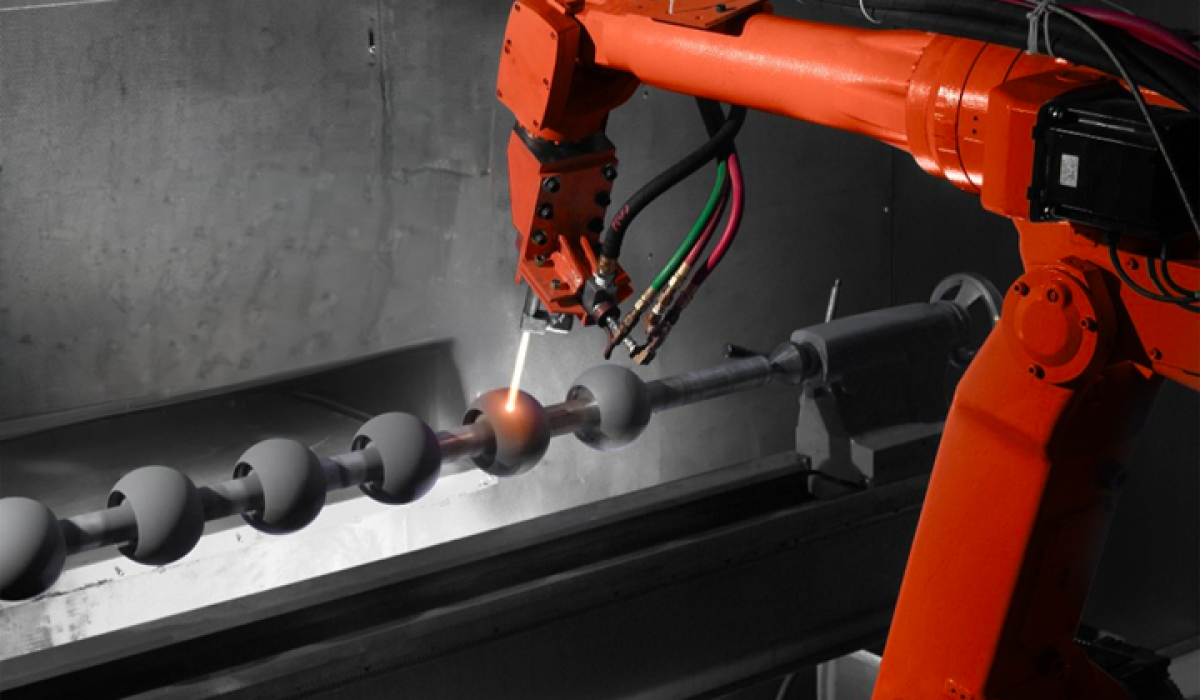
HVOF chrome carbide coatings significantly improve the wear resistance and lifespan of severe service valves, making them ideal for oil & gas, water treatment, mining, and chemical industries. These coatings protect against erosion, corrosion, and extreme conditions while providing a cost-effective solution for valve repair and maintenance.

HVOF Coatings: High Performance for Extreme Conditions HVOF is a thermal spray process that deposits molten or heated materials onto a surface at high velocity, forming a dense and durable coating. Chrome carbide HVOF coatings provide:

  • Superior Wear Resistance: Prevents erosion and material degradation.

  • Enhanced Hardness: Ideal for high-temperature and high-friction applications.

  • Strong Mechanical Bond: Ensures adhesion without altering base material properties.

  • Friction Reduction: Improves efficiency and minimizes energy loss.


Applications of HVOF Coatings in Valves HVOF coatings are widely used in components such as:

  • Ball Valves: Protects against abrasive and corrosive media.

  • Butterfly Valves: Reduces friction and wear.

  • Plug Valves: Enhances sealing and operational life.

  • Gate Valves: Resists erosion in slurry applications.


HVOF chrome carbide coatings are a game-changer for severe service valves, ensuring durability, reliability, and cost efficiency. Whether applied during manufacturing or as part of a repair process, these coatings minimize downtime, extend valve life, and optimize performance.

For industries demanding high reliability and efficiency, partnering with an experienced valve service provider can make a significant difference in long-term operational success.

Valve Supplier in Nigeria

Flowcen Global is an Indian valve manufacturer exporting to Nigeria. We supply butterfly, gate, plug, ball, check, and automation valves to oil & gas plants, industrial contractors, utility lines, and traders in Lagos, Port Harcourt, Warri, Abuja, and Kano.

Industrial & Oilfield Valve Supplier in Nigeria – Flowcen Global, India

Nigeria is a major hub for industrial infrastructure, water networks, power projects, and the oil & gas sector. With operations ranging from borehole systems to refinery pipelines, Nigerian buyers need trusted valve suppliers who deliver performance, reliability, and technical support.

Flowcen Global is a manufacturer of industrial valves based in India. We export directly to Nigeria and support both project-based supply and regular procurement for resale. Our wide product range, export documentation, and delivery experience make us a preferred partner for engineers, consultants, factory owners, and pipeline contractors.

We supply valves to Lagos, Port Harcourt, Abuja, Kano, Warri, Onitsha, Enugu, and Benin City. Our clients include EPC contractors, OEMs, pump system companies, traders, and industrial end-users.


Valve Range for Nigerian Industry

Plug & Butterfly Valves:
Motorized plug valves, eccentric plug valves, resilient seated butterfly valves, double offset butterfly valves, triple offset butterfly valves

Gate Valves:
Resilient seated gate valves, metal seated gate valves – suitable for shutoff in water, slurry, steam, or abrasive media

Check Valves:
Swing check valves, dual plate check valves, piston check valves, ball check valves – to prevent backflow and protect pumps

Control Valves:
Globe control valves, pressure relief valves, pressure sustaining valves – for accurate pressure and flow management

Other Valves:
Air release valves, diaphragm valves, foot valves, knife gate valves, slurry valves, pinch valves – for sewage, chemical, abrasive, or slurry lines

Automation Valves:
Electric actuated valves, pneumatic operated valves, modulating control valves, solenoid valves – with ON/OFF or feedback-based control

Sizes: 15mm to 1200mm
Materials: cast iron, ductile iron, WCB (carbon steel), stainless steel
Seats: EPDM, NBR, PTFE, Viton
Coating options: epoxy, FBE, Halar (ECTFE) for chemical or buried service

Each valve is tested and shipped with hydro test certificate, commercial invoice, packing list, and certificate of origin.


Where Our Valves Are Used in Nigeria

  • Oil & Gas Sector: flow control in pipelines, storage terminals, booster pumps, tank farms in Port Harcourt, Warri, Bonny Island

  • Refineries and Petrochemical Plants: valves for fuel transfer, pressure control, and shutoff in Delta State, Ogun, and Rivers

  • Industrial Utilities: HVAC, water distribution, effluent treatment in Abuja, Lagos, and Ibadan

  • Municipal and Water Projects: booster stations, borewell systems, WTPs and STPs in Enugu, Kano, and Kaduna

  • Irrigation and Agro Processing Units: irrigation mainlines, filtration, and fertilizer dosing in Jos, Makurdi, and Akure

  • Traders and Resellers: we supply to markets in Alaba International, Idumota, Trade Fair Complex, Mile 2 Industrial Zone, and Onitsha Bridgehead


Why Nigerian Buyers Work With Flowcen

  • In-house manufacturing in India

  • Full range of industrial valves for oilfield, water, and industry

  • Manual and automation valves available

  • All exports with proper packing and documentation

  • We accept firm inquiries and also support repeat resale orders

  • OEM branding and neutral packing available


FAQs by Nigerian Clients

Q: Are your valves suitable for oil and fuel lines?
Yes, we offer metal seated valves, plug valves, and triple offset butterfly valves designed for petroleum and chemical service.

Q: Do you support projects with documentation and testing?
Every order includes hydro test reports, commercial invoice, origin certificate, and packing list. Third-party inspection can be arranged.

Q: Do you supply actuated valves for remote operations?
Yes, both electric and pneumatic actuators are available with ON/OFF or modulating control.


Contact Flowcen Global

Website: https://www.flowcen.com
IndiaMART Product Range: https://www.flowcen.in
Email: info@flowcen.com
Mobile / WhatsApp: +91 90166 48742